Skull Up
Efun Game Ltd.Card
4.6388.00 Reviews
- Version
- 1.0.13
- Installs
- 100.00K
- Age Rating
- Everyone 10+
Screenshots
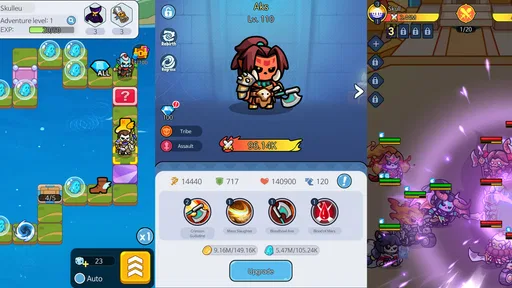
Our Review of Skull Up
 Analysis by Appyee
When I first picked up Skull Up, I expected a light card game and found a title whose skull-themed identity gives it a more playful edge than a standard deck-and-table setup. Its appeal depends on whether that personality and its leveling focus suit the way you like to play. I’d approach it as a casual game to explore in short visits, rather than assume it offers the strategic depth or familiar rules of a traditional card match.
A first impression shaped by a clear identity
The name and store tagline point toward a progression-minded experience: the emphasis is on keeping a character moving forward, not simply playing one isolated round and putting the game away. That framing is useful when deciding what kind of session to expect. If I have a few spare minutes, a game built around ongoing development can offer a reason to return; if I want a self-contained card match with a definite end, that same structure may feel less satisfying.
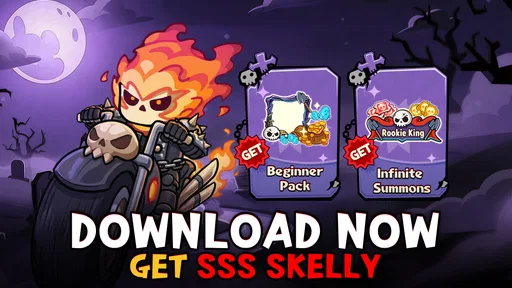
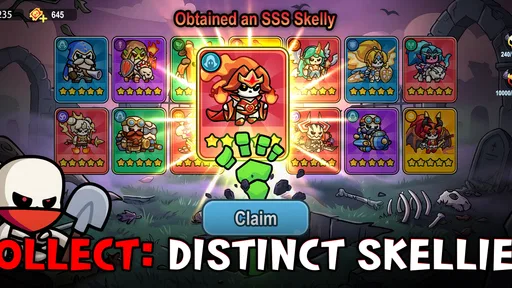
One detail worth considering before starting is the promotional language around a pre-order reward, including an SSS hero and a beginner’s set. I would treat that as an indication that character collection and early progression matter to the game’s presentation, not as a promise that every player will receive the same reward at any time. Promotions can be tied to timing or eligibility, so I’d check what is actually available in the game rather than plan a purchase or a strategy around a reward mentioned in advance.
How the skull theme frames the experience
The skull motif gives the game a recognizable identity, but it doesn’t tell me by itself whether its card play is tactical, luck-driven, or a mix of the two. That distinction matters more than the theme for anyone choosing between this and a familiar card battler. I’d pay attention during the opening sessions to what decisions I’m making: whether I’m weighing card choices, building a team, or mainly following a progression path. Those are very different kinds of engagement, even when the same setting ties them together.
For a player who enjoys games with a strong character-collection flavor, the mention of heroes may be a draw. For someone who just wants to shuffle, play a hand, and move on, character-focused progression can add layers that are enjoyable but not essential. My practical advice is to decide what you want from a card game before investing time: a compact match, a long-term collection, or a little of each. That expectation makes it easier to judge whether the game’s mood and structure are working for you.
Progression, patience, and spending choices
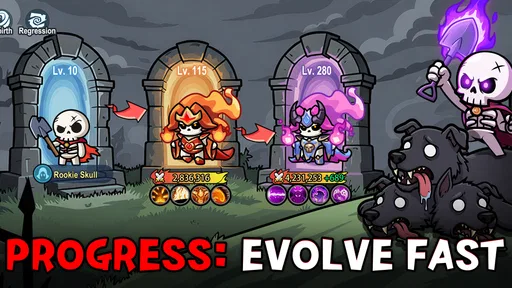
The “keep leveling” pitch suggests that advancement is central to the intended loop. In games built around progression, the interesting question is not only how quickly a player advances, but whether progress feels connected to meaningful choices. I’d notice whether improving a hero changes how I approach a challenge, or whether it mainly serves as a number to raise. That is a useful distinction for deciding whether to keep playing: development feels rewarding when it opens up decisions, while repetitive upgrades can make sessions feel like chores.
The game is free to download, but it includes optional in-app purchases ranging from $0.29 to $99.99 per item. That is a broad enough spread that I’d be deliberate about spending, especially if I’m still learning the game’s systems. A sensible approach is to play first, get a feel for the pace of progression, and only then decide whether a purchase solves a real frustration or simply offers a quicker route. I wouldn’t treat a beginner-oriented pack as necessary just because it sounds useful; the better question is whether the game remains enjoyable at the pace I’m comfortable with.
This also affects who I’d recommend it to. A player who likes collecting heroes and working toward upgrades may find the long-term framing appealing. Someone who dislikes purchase prompts or prefers every advantage to come only from match decisions may be more comfortable with a traditional card game that puts the focus squarely on the play of each round. Neither preference is wrong, but knowing which one describes you will save time and help you judge the game on its own terms.
Where it fits among card games
Compared with conventional card games, which often make the rules of a hand or match the main event, this title presents itself through skull-themed identity and leveling. That makes it a potentially better fit for players who enjoy a continuing sense of development than for those seeking a quick, rules-first contest. Compared with collection-heavy card games, the same emphasis may feel familiar, but I would not assume that it has the same depth or systems without seeing how its own play unfolds.
That distinction helps with an everyday choice. If I’m waiting for an appointment and want a game whose appeal comes from gradually building toward something, I might give it a try and see whether the opening makes the progression understandable. If I have only a minute and want a quick, complete round, a simple solitaire-style game or a well-known traditional card game may be a more predictable pick. The right alternative depends less on which game is “better” and more on whether I want a continuing project or a short, contained diversion.
A realistic way to try it
Imagine opening the game during a commute or while waiting for a friend. I’d use that first session to learn the basic rhythm and note what the game asks me to do before worrying about optimizing a roster or spending anything. On a later visit, I’d check whether the choices feel more interesting once I understand the progression. This small two-session test is more revealing than judging the game from its theme or promotional copy alone: it shows whether I want to return, and whether the mechanics hold my attention after the novelty wears off.
It also gives me a practical way to handle the early-game trade-off. If I feel tempted by a purchase because I’m unsure how to advance, I’d pause and first make sure I understand the available actions and the normal pace. If I’m enjoying the game but progress feels slow, I can decide whether that is a genuine obstacle for me or simply part of a longer-term style I don’t enjoy. A free entry point makes that trial easier, while the range of purchase prices is a reason to set a personal limit before browsing optional items.
What’s the Buzz About?
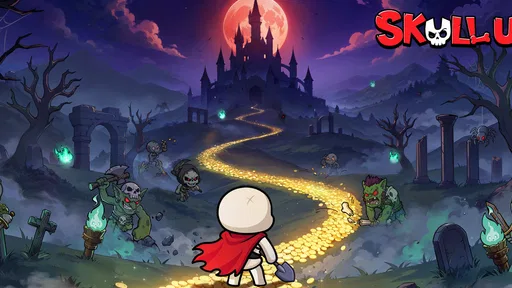
So, what exactly is Skull Up? It’s a card game from Efun Game Ltd. with a skull-centered identity and a focus on leveling. The store description highlights heroes and a beginner’s set, which gives a newcomer a hint of the game’s progression-oriented presentation. I’d still judge it by the play itself: how clearly it teaches its mechanics, whether choices stay interesting, and whether advancing feels worthwhile rather than automatic.
The game is free, has an Everyone 10+ content rating, and runs on Android 7.0 or later. Its current version is 1.0.13. It has a 4.6 average from around 3.8K ratings, with 100K+ installs. Those figures suggest that it has found an audience, but they cannot tell me whether its particular balance of card play and advancement will suit you. I’d use them as context, then make the decision based on the kind of card game you actually want.
Gameplay and Mechanics
First things first, the controls are as smooth as butter. You’ll find yourself swiping and tapping in no time, and the responsiveness is spot on. The game is all about timing and precision, so if you love honing your reflexes, this is the place to be.
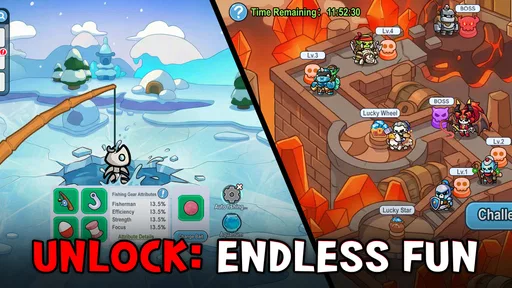
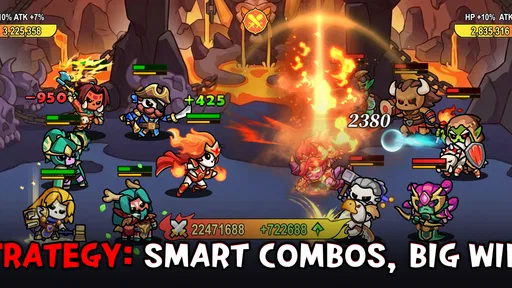
Each level presents a unique obstacle course. You’ve got to think fast and act faster. It’s like playing chess, but with a ticking clock and a few more spikes and pitfalls. The game does an excellent job at keeping things fresh. Just when you think you’ve mastered a tactic, Skull Up throws a curveball your way.
Visuals and Sound
Visually, the game is an absolute delight. The colorful and vibrant graphics are a treat for the eyes. Each level is beautifully designed, with intricate details that make the gameplay even more immersive. And let’s not forget the sound design. The quirky sound effects and catchy background music add a layer of fun to the entire experience. It’s the kind of game where you might find yourself humming along to the tunes.
Why I Can’t Stop Playing
Look, I’ve played countless games, but there’s something about Skull Up that keeps pulling me back. Maybe it’s the satisfaction of solving a tricky level or the thrill of setting a new high score. Either way, this game has a knack for keeping you engaged without feeling repetitive.
I also love how it doesn’t bombard you with ads every five seconds. Sure, they’re there, but in a way that doesn’t disrupt the flow. You can play at your own pace, whether you’re in for a quick session or a longer gaming marathon.
Who’s It For?
If you enjoy games that are mentally stimulating yet incredibly fun, then Skull Up is right up your alley. It’s perfect for those moments when you need a break and want to dive into a world of colorful chaos and cunning challenges.
The game’s accessibility means it’s great for all ages. Whether you’re a kid or just a kid at heart, there’s plenty here to keep you entertained. Plus, it’s a great way to pass the time during commutes, waiting in line, or just chilling at home.
For me, the strongest reason to try it is the chance to see whether its particular mix of card play, character progression, and skull-themed presentation clicks with my habits. I’d recommend it to someone who likes returning to a game and seeing gradual development, and who is comfortable deciding for themselves whether optional purchases are worthwhile. I’d steer away from it if you want a strictly traditional card table, dislike progression-led games, or expect every session to be a quick, self-contained match.
Final Thoughts
All in all, Skull Up is a gem in the app world. It’s a delightful blend of challenge and whimsy that’s hard to resist. The engaging gameplay, beautiful visuals, and catchy tunes make it a standout choice for anyone looking to add a bit of fun to their day.
So, if you’re on the hunt for a new game that’s both entertaining and mentally rewarding, give Skull Up a shot. Trust me, it’s worth every tap and swipe!
Verdict
Strengths of Skull Up
- Intuitive interface for easy navigation.
- Vibrant graphics enhance gameplay.
- Engaging storyline keeps players hooked.
- Regular updates with new challenges.
- Offline mode available for on-the-go play.
Limitations of Skull Up
- Contains in-app purchases.
- Ads can be intrusive at times.
- Requires a stable internet connection.
- Limited customization options.
- Battery consumption is relatively high.
Other Releases by Efun Game Ltd.
View All
ATHENA:Blood Twins
Role Playing4.6
Similar Picks in This Category
View All
Solitaire - Classic Card Games
MobilityWare4.6

UNO!™
Mattel163 Limited4.3

Spider Solitaire: Card Games
MobilityWare4.6

Solitaire.com - Classic Cards
Tripledot Studios Limited4.7

Plants vs. Zombies™ Heroes
ELECTRONIC ARTS4.1

Hearthstone
Blizzard Entertainment, Inc.4.1
Frequently Asked Questions
What is Skull Up and what does it offer?
Skull Up is an engaging mobile game available on both Android and iOS platforms. It combines elements of strategy and action, challenging players to navigate through various levels filled with obstacles and enemies. With its vibrant graphics and intuitive controls, Skull Up offers hours of entertainment and a competitive edge with its leaderboard feature.
Is Skull Up free to download and play?
Yes, Skull Up is free to download and play. However, like many mobile games, it offers in-app purchases that allow players to buy items, skins, or power-ups to enhance their gaming experience. These purchases are optional and players can enjoy the game without spending any money.
What age group is Skull Up suitable for?
Skull Up is designed for players aged 12 and above. The game includes mild cartoon violence and strategic challenges that may be more suitable for teenagers and adults. Parents are encouraged to review the game to determine its suitability for younger children.
Does Skull Up require an internet connection?
Skull Up can be played offline once downloaded, making it a great option for on-the-go gaming without needing a constant internet connection. However, certain features like leaderboards and in-app purchases will require an internet connection to function properly.
Are there any known issues with Skull Up on specific devices?
While Skull Up is designed to run smoothly on most modern Android and iOS devices, some users have reported performance issues on older models. It's recommended to check the app's compatibility with your device in the app store before downloading. Regular updates from the developers often address such issues.
Play our best games!


